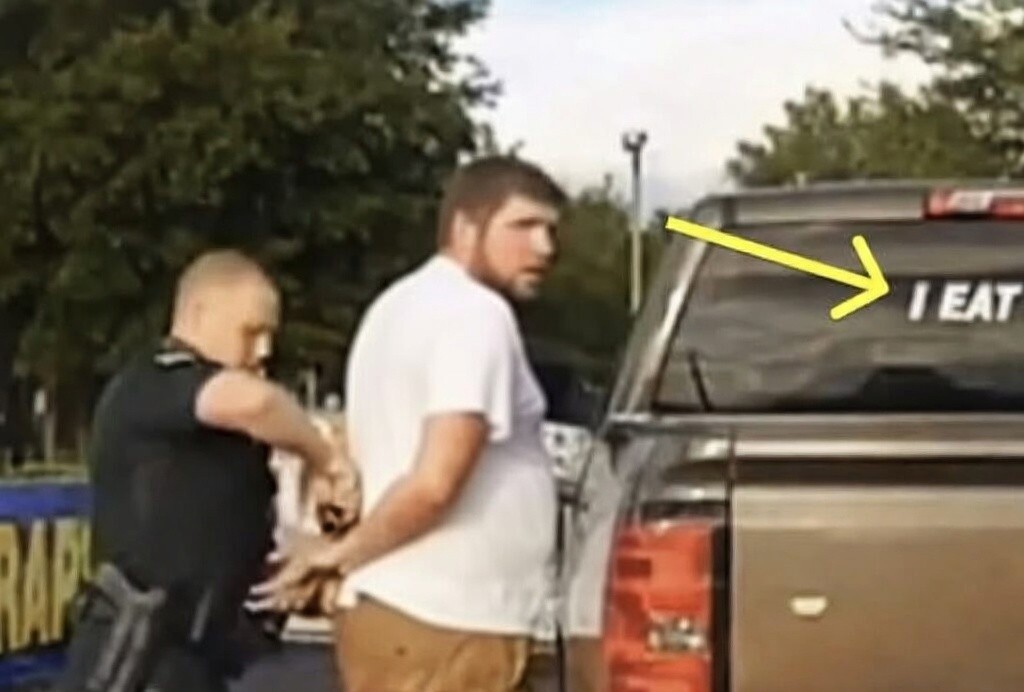
Webb later pursued legal action, arguing that his arrest represented an overreach of authority and a violation of his constitutional rights. His position reflects a larger concern shared by civil liberties advocates: that speech protections lose meaning if enforcement becomes dependent on subjective interpretations of offensiveness.
Supporters of strict enforcement, however, argue that officers must maintain public order and respond to complaints or disturbances as they arise, even when the underlying expression falls into a gray area. This ongoing debate highlights how differently free speech is understood depending on context, tone, and setting.
In the broader sense, the case became less about a single decal and more about a recurring question in American law: how far does protected speech extend, and who gets to decide when it crosses a line?
As discussions continue, the incident remains a small but striking example of how everyday encounters can escalate into constitutional conversations—reminding many that the boundaries of expression are still actively tested, interpreted, and challenged in real time.
If anything, it underscores a simple but persistent reality: free speech is not only a legal principle, but a daily negotiation between individuals, institutions, and the limits of authority.